

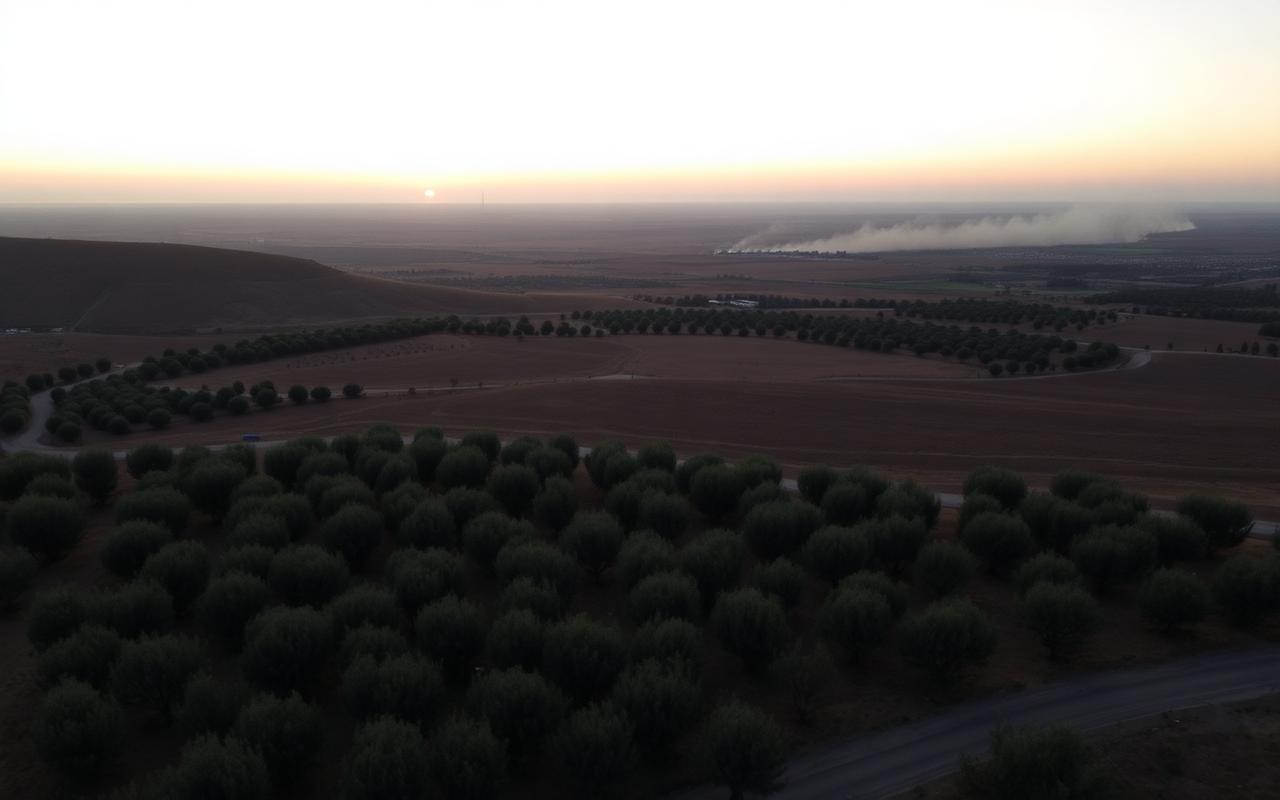
The pattern of the past eighteen months is familiar: a truce halts the worst of the fighting, the truce decays, the fighting resumes at a slightly lower intensity, and a new round of talks begins. Each cycle leaves the southern strip a little more depopulated and the regional posture a little more militarised.
Breaking the cycle requires more than a renewed ceasefire. It requires sequencing: an Israeli withdrawal tied, step by step, to verifiable Hezbollah disarmament north of the Litani; an international monitoring mission with a real mandate; and a Lebanese state — for the first time in a generation — empowered to enforce what its government signs.
None of this is novel. It has been the answer for twenty years. The question is whether either side, this week, is prepared to write it down.
Sources & References
Spot an error? contact@theobsidian.media