

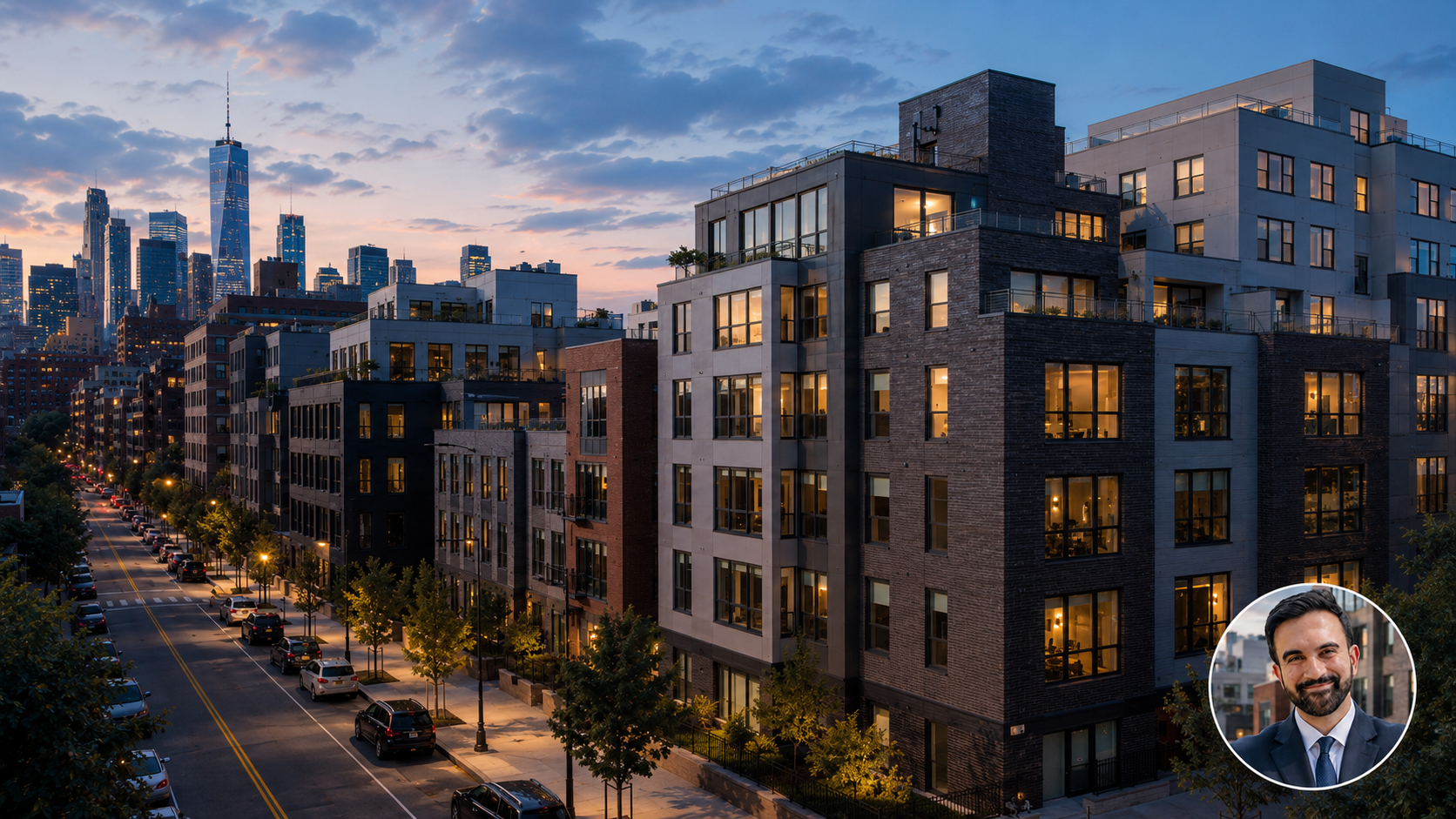
The plan, titled “Block by Block: The Housing Plan for a New Era,” sets out a goal to build 200,000 new affordable and rent-stabilized homes over the next decade, while also preserving and stabilizing another 200,000 existing homes. City officials say the programme will be supported by a $22 billion investment over five years, alongside zoning and code changes designed to make construction easier.
For renters, the announcement is being framed as more than another housing target. It is a direct response to a cost-of-living crisis in which housing has become the pressure point for working families, young professionals and long-term residents trying to remain in the city. The administration argues that expanding rent-stabilized supply could help protect more New Yorkers from sharp rent increases and displacement.
The proposal also includes plans to preserve existing affordable housing, strengthen tenant protections, invest in public housing and explore conversions of underused buildings. According to local reports, the administration wants to use a mix of new construction, public land, office-to-residential conversions, zoning reform and support for renters to address the shortage from several directions at once.
But the plan will face a difficult test. New York’s housing crisis has been built over decades, shaped by high construction costs, limited land, regulatory barriers, ageing public housing and a market where demand continues to outpace supply. Announcing 200,000 new homes is one thing. Financing them, approving them, building them and keeping them affordable over time is another.
The proposal has already drawn criticism from parts of the real estate and business community, with opponents warning that heavy government intervention, labour requirements and pressure on landlords could make development more expensive or discourage private investment. Supporters, however, argue that the scale of the crisis requires a more aggressive public response and that preserving affordable housing is just as important as building new units.
For New Yorkers, the immediate question is not whether the plan sounds ambitious. It does. The real question is whether it can move quickly enough to change the daily reality of renters facing rising costs, unstable leases and shrinking affordable options.
If delivered, the plan could become one of the defining housing programmes of Mamdani’s administration. If it stalls, it risks becoming another promise swallowed by the complexity of New York’s housing system.
For now, the message from City Hall is clear: the housing crisis is no longer being treated as a background issue. It is being placed at the centre of the city’s political agenda.
Spot an error? contact@theobsidian.media