

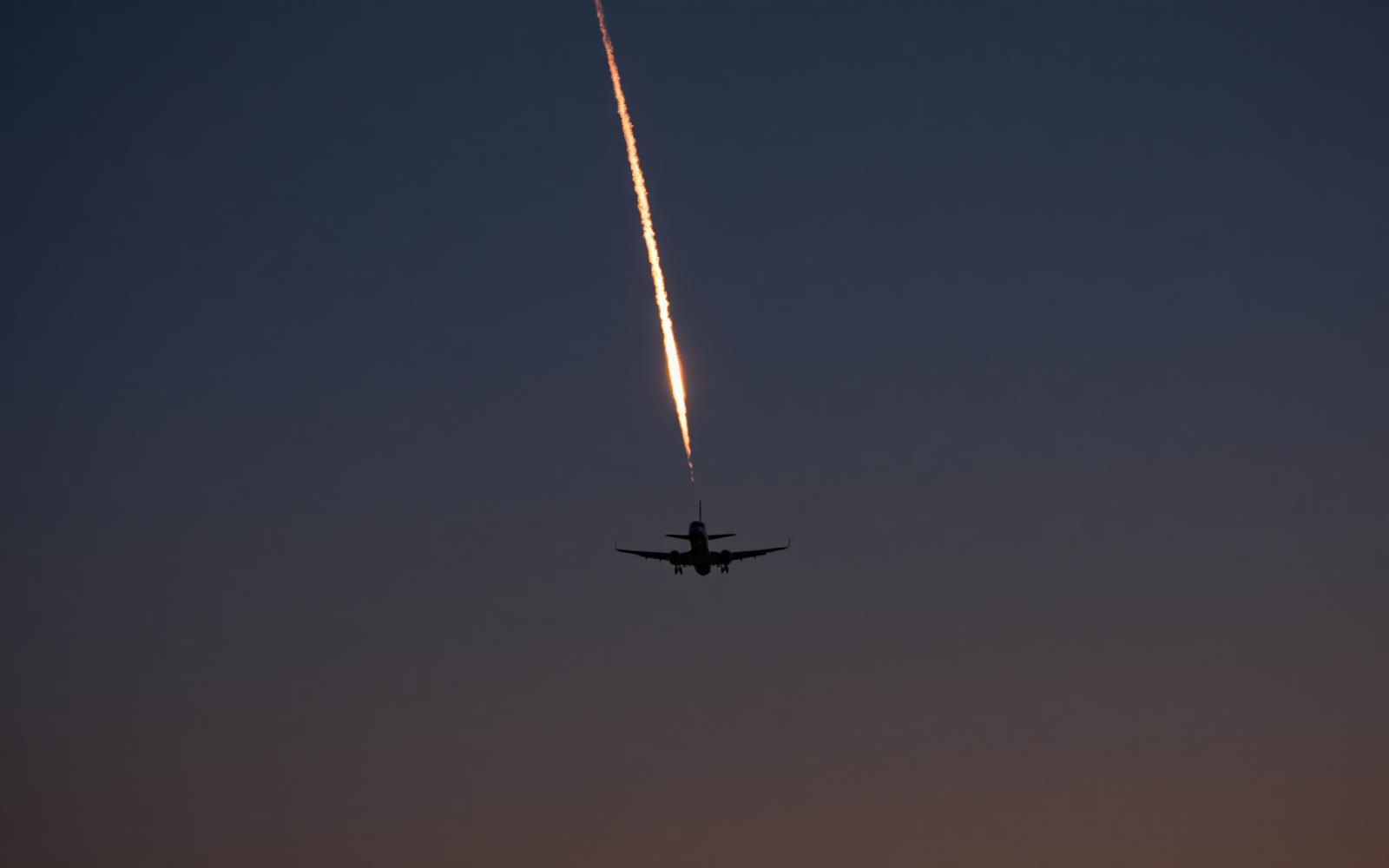
Each Starship test sends a stack the size of a thirty-storey building over corridors used by hundreds of commercial flights per day. ProPublica's investigation found that the launch licences were issued over the documented objections of FAA aviation safety staff who flagged the risk to passenger aircraft.
Several test flights ended in explosions whose debris fields fell, in at least two instances, within the lateral envelope of active commercial routes. No aircraft were struck. The probabilistic models the FAA itself uses suggest that outcome was, in part, luck.
The agency's response has been to expand temporary airspace closures around launches — a measure that addresses the moment of risk but not the underlying licensing decision.
Sources & References
Spot an error? contact@theobsidian.media