

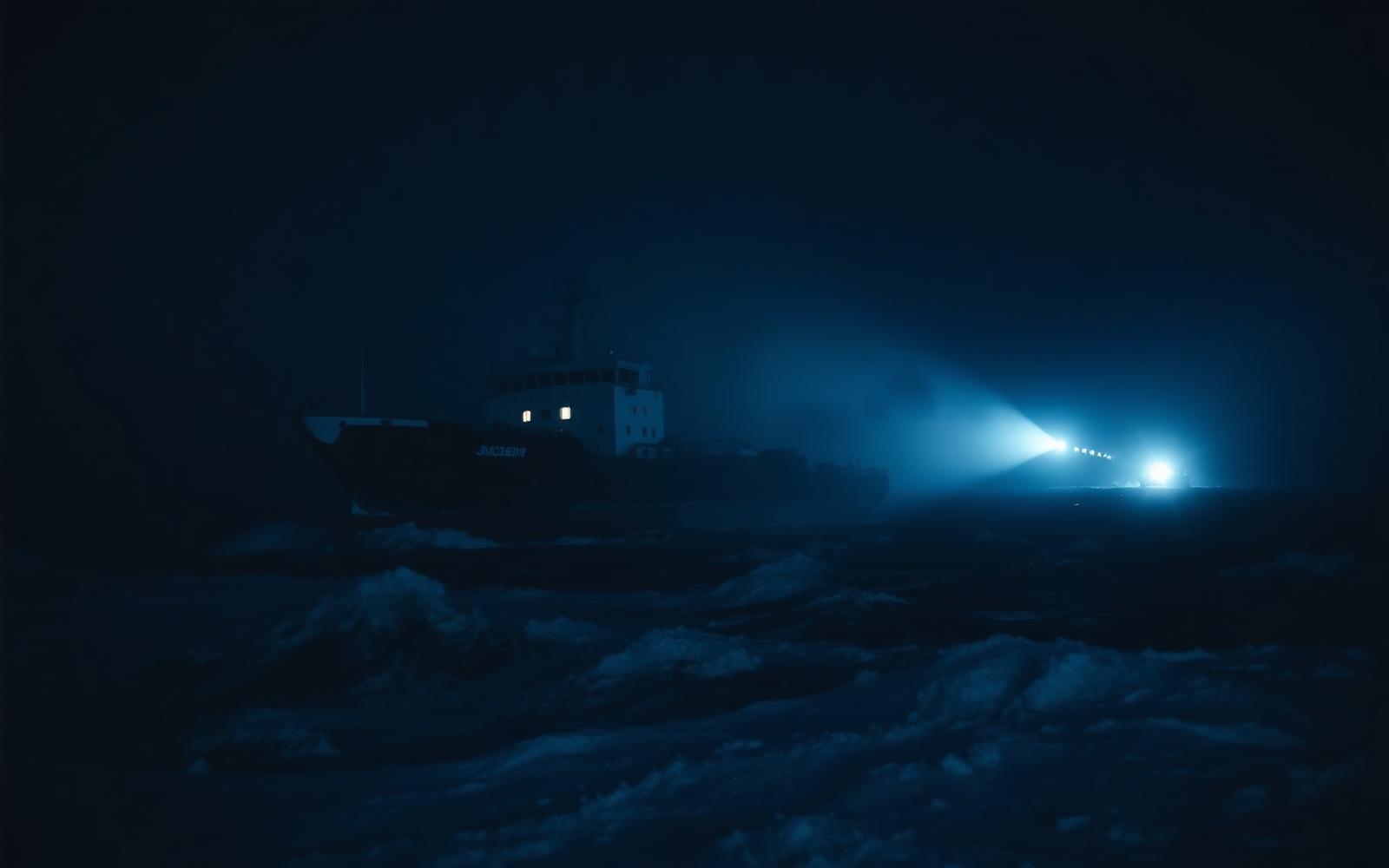
The vessel went down in the early hours of May 12 in waters between Sakhalin and the Korean peninsula. Russian officials initially described it as a routine commercial loss. Satellite imagery and shipping records reviewed by multiple outlets tell a different story.
The ship had been chartered by an opaque logistics intermediary previously linked to defence-industrial transfers between Russia and North Korea. Its draft, route deviations and last loading port at Vostochny suggest a heavy, low-volume cargo — consistent with reactor pressure vessels or fuel assemblies, not commercial freight.
Western intelligence officials cited by CNN said the loss is the latest sign of an accelerating military-technical relationship between Moscow and Pyongyang, one that began with conventional artillery shells and has steadily moved up the technology ladder. Submarine propulsion would mark a significant escalation.
Neither government has acknowledged the cargo. Russia has refused independent inspection of the wreck site, citing weather. North Korean state media has said nothing.
The episode underscores a longer pattern: as Russia's options for high-end inputs narrow under sanctions, it has more to offer regimes that will accept what it has — and more to gain from regimes that will sell it what it cannot make.
Sources & References
Spot an error? contact@theobsidian.media